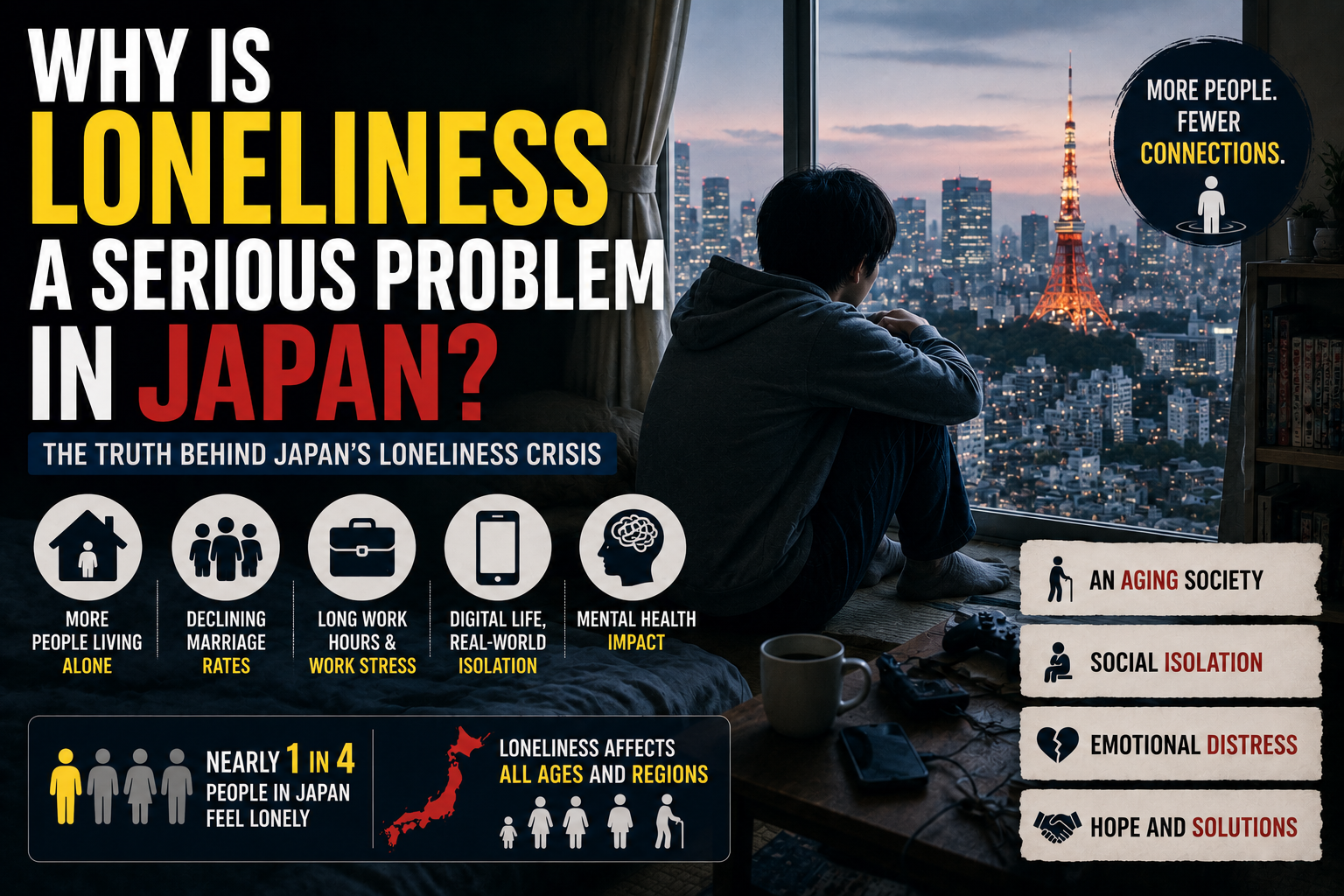
Why Is Loneliness a Serious Problem in Japan? Understanding Japan’s Loneliness Crisis
Why is loneliness a serious problem in Japan? This question has attracted growing international attention as Japan faces an aging population, declining marriage rates, and increasing social isolation.
Although Japan is often seen as one of the world’s safest and most organized societies, many Japanese people struggle with loneliness. In recent years, loneliness has become such a serious issue that the Japanese government even created a ministerial position to address social isolation and loneliness.
In this article, we’ll explore why loneliness is a serious problem in Japan, what factors contribute to it, and what this trend reveals about modern Japanese society.
Is Loneliness Really a Major Problem in Japan?
Yes. Loneliness has become an increasingly important social issue in Japan.
Loneliness affects people of all ages, including:
- Young adults
- Working professionals
- Single individuals
- Parents
- Elderly people
- Retirees
While loneliness exists in every country, several social and demographic trends have made it particularly visible in Japan.
Importantly, loneliness does not necessarily mean being physically alone. Many people experience loneliness even when surrounded by coworkers, family members, or large urban populations.
Japan’s Aging Population Increases Social Isolation
One major reason loneliness is a serious problem in Japan is the country’s aging population.
More Elderly People Live Alone
Japan has one of the world’s oldest populations.
As people live longer and family sizes become smaller, more elderly individuals find themselves living alone after:
- Retirement
- Divorce
- Widowhood
- Children moving away
For some elderly people, social interaction becomes increasingly limited over time.
Rural Communities Are Shrinking
Population decline has also affected local communities.
In many rural areas:
- Young people move to cities
- Schools close
- Local businesses disappear
- Public transportation declines
- Community networks weaken
As communities shrink, opportunities for social connection become fewer.
More Japanese People Are Staying Single
Another major factor is the growing number of unmarried adults.
Marriage Rates Continue to Fall
Many Japanese adults are delaying marriage or choosing not to marry at all.
Several factors contribute to this trend:
- Economic uncertainty
- Career priorities
- High living costs
- Changing social values
- Difficulty finding partners
Since marriage traditionally provided important social support networks, declining marriage rates can increase feelings of isolation.
Single-Person Households Are Increasing
Japan now has more people living alone than ever before.
Living independently offers freedom, but it can also lead to reduced daily social interaction, especially as people age.
Work Culture Can Create Loneliness
Japan’s work culture contributes to loneliness in several ways.
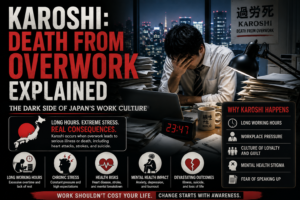
Long Working Hours Reduce Social Time
Many employees spend much of their time:
- Working
- Commuting
- Recovering from work-related stress
This leaves less time for:
- Friendships
- Dating
- Family activities
- Community participation
Over time, social networks may become smaller.
Retirement Can Create Isolation
Some Japanese workers spend decades focusing primarily on their jobs.
After retirement, they may discover that many of their social relationships existed mainly through work, making the transition to retirement emotionally difficult.
Social Pressure Makes It Difficult to Talk About Loneliness
Japanese culture places a strong emphasis on social harmony and self-reliance.
People Often Hide Their Feelings
Many individuals may hesitate to discuss:
- Loneliness
- Depression
- Anxiety
- Emotional struggles
Some fear:
- Embarrassment
- Social stigma
- Burdening others
- Appearing weak
As a result, loneliness can become a hidden problem.
Asking for Help Can Be Difficult
Although attitudes are gradually changing, seeking emotional support or mental health services still carries stigma for some people.
This can make social isolation even worse.
Technology Both Helps and Hurts
Technology has changed how people connect.
Online Communities Can Provide Support
The internet allows people to:
- Join communities
- Make friends
- Participate in hobbies
- Receive emotional support
For many people, online relationships are meaningful and important.
Digital Life Can Also Increase Isolation
However, excessive reliance on digital communication can sometimes reduce face-to-face interactions.
Some individuals become increasingly isolated from their local communities and personal relationships.
Hikikomori and Extreme Social Isolation
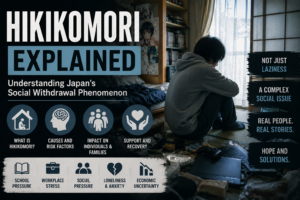
Japan’s hikikomori phenomenon represents one of the most severe forms of social isolation.
Hikikomori refers to individuals who withdraw from society for extended periods, sometimes remaining isolated for months or years.
Although most lonely people are not hikikomori, the phenomenon highlights how loneliness, social pressure, and mental health challenges can interact.
The COVID-19 Pandemic Increased Loneliness
The pandemic intensified existing social problems in Japan.
Many people experienced:
- Social distancing
- Remote work
- Reduced community activities
- Less face-to-face interaction
- Increased anxiety
Although restrictions have ended, some people continue to experience the long-term effects of social isolation.
Why Does Loneliness Matter?
Loneliness affects more than emotional well-being.
Research suggests that chronic loneliness can contribute to:
- Depression
- Anxiety
- Physical health problems
- Reduced quality of life
- Lower productivity
- Increased mortality risk
For governments, loneliness can also create economic and healthcare challenges.
What Is Japan Doing to Address Loneliness?
In recent years, Japan has introduced several initiatives to reduce loneliness and social isolation.
These include:
- Community support programs
- Mental health services
- Support for elderly individuals
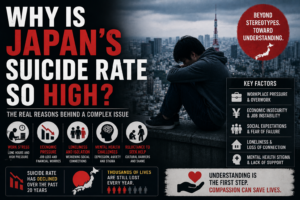
- Suicide prevention programs
- Social connection initiatives
- Government policies addressing loneliness
However, experts argue that loneliness is closely connected to broader issues such as work culture, population decline, and changing family structures.
Is Loneliness Unique to Japan?
No.
Many countries, including:
- South Korea
- the United Kingdom
- the United States
- China
- several European countries
have reported increasing levels of loneliness.
However, Japan’s combination of population aging, low birth rates, declining marriage, and social expectations makes loneliness particularly visible.
Conclusion
So, why is loneliness a serious problem in Japan?
The answer involves demographic change, economic uncertainty, work culture, declining marriage rates, and evolving social values. Loneliness in Japan is not simply an individual problem—it reflects broader changes occurring throughout society.
Understanding Japan’s loneliness crisis helps us understand not only modern Japan, but also the challenges many developed societies may face in the future.
FAQ
Why is loneliness increasing in Japan?
Loneliness is increasing because of population aging, declining marriage rates, social isolation, economic pressures, and changing lifestyles.
Are young Japanese people lonely?
Many young adults experience loneliness due to work stress, economic uncertainty, and smaller social networks.
What is the relationship between loneliness and hikikomori?
Hikikomori is an extreme form of social withdrawal that often overlaps with loneliness, although not all lonely people become hikikomori.
Has Japan created policies to address loneliness?
Yes. Japan has introduced government programs and social initiatives to reduce loneliness and social isolation.
Is loneliness only a problem in Japan?
No. Loneliness is becoming a major social issue in many countries around the world.