Japan is often described as one of the most fascinating countries in the world. However, there is the dark side of living in Japan.
For many foreigners, it represents:
- Safety
- Clean streets
- Delicious food
- Efficient public transportation
- Beautiful traditions
- Advanced technology
- Polite people
From the outside, Japan can look almost perfect.
But living in Japan is very different from visiting as a tourist.
Behind the convenience and beauty, there are also serious challenges that many foreigners do not fully understand until they actually move there.
This article explores the dark side of living in Japan—not to criticize the country unfairly, but to give a more honest and balanced view of what life in Japan can really be like.
Japan Can Be Very Lonely for Foreigners
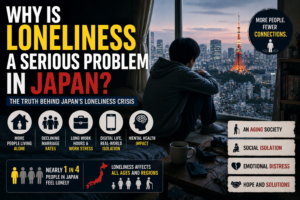
One of the biggest challenges of living in Japan is loneliness.
Many foreigners arrive excited to make Japanese friends, date, work, and become part of society.
However, building deep relationships in Japan can be difficult.
This is especially true if you:
- Do not speak Japanese well
- Live outside major international cities
- Work in a mostly Japanese environment
- Do not understand indirect communication
- Expect friendships to develop quickly
Japanese people are often polite and kind, but politeness does not always mean emotional closeness.
Many foreigners find that people are friendly on the surface but difficult to truly get close to.
The Language Barrier Is Bigger Than Many People Expect
You can visit Japan with very little Japanese.
But living in Japan without Japanese ability is much harder.
Everyday situations can become stressful, such as:
- Reading official documents
- Visiting hospitals
- Renting apartments
- Opening bank accounts
- Dealing with city hall
- Understanding workplace communication
- Handling emergencies
Even foreigners who study Japanese may struggle with polite language, regional accents, kanji, and indirect expressions.
Without strong Japanese skills, it is easy to feel dependent, isolated, or treated like an outsider.
Japanese Work Culture Can Be Exhausting
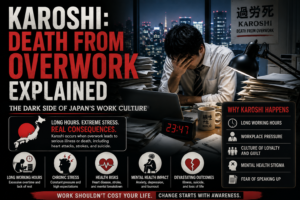
Japan is famous for its intense work culture.
Although some companies are changing, many workplaces still have problems such as:
- Long working hours
- Unpaid overtime
- Pressure to stay late
- Strict hierarchy
- Too many meetings
- Difficulty taking paid leave
- Emphasis on loyalty over efficiency
For foreigners used to more flexible work environments, Japanese office culture can feel stressful and outdated.
The problem is not only the number of hours worked, but also the emotional pressure to fit in and avoid causing trouble for the group.
Social Pressure Can Feel Overwhelming
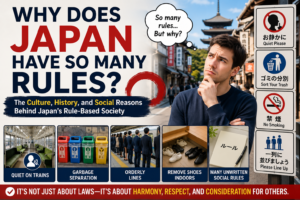
Japanese society places strong importance on harmony, manners, and avoiding inconvenience to others.
This can make daily life feel orderly and respectful.
But it can also create intense social pressure.
Many people feel pressure to:
- Follow unwritten rules
- Avoid standing out
- Hide personal problems
- Read the atmosphere
- Apologize frequently
- Suppress honest opinions
For foreigners, this can be confusing and emotionally tiring.
In Japan, what people say directly is not always what they truly mean.
Learning to understand the hidden meaning behind social interactions can take years.
Foreigners May Always Feel Like Outsiders
Even foreigners who speak fluent Japanese, marry Japanese partners, or live in Japan for decades may still be treated as outsiders.
This can appear in small ways:
- Being complimented too much for basic Japanese
- Being asked when you will return to your country
- Being treated as a temporary guest
- Being excluded from deeper social circles
- Being seen as a representative of all foreigners
Japan can be welcoming, but full social acceptance is not always easy.
For some foreigners, this becomes one of the most painful parts of long-term life in Japan.
Housing Can Be Difficult for Foreigners
Finding an apartment in Japan can be frustrating.
Foreign residents may face:
- Landlords who refuse foreign tenants
- Expensive upfront costs
- Guarantor requirements
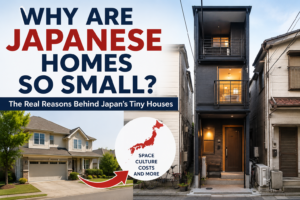
- Small living spaces
- Strict noise rules
- Complicated contracts
- Limited English support
Even after finding a place, Japanese homes can feel uncomfortable to some foreigners because of poor insulation, lack of central heating, and limited space.
Living in Japan often means adjusting expectations about comfort and privacy.
Dating and Relationships Can Be Complicated
Many foreigners are interested in dating Japanese people.
While international relationships can be beautiful, they can also be challenging.
Common difficulties include:
- Language barriers
- Different expectations about romance
- Indirect communication
- Family pressure
- Gender role expectations
- Different views on marriage and work
- Cultural misunderstandings
Some foreigners also feel fetishized, while others feel rejected because they are not Japanese.
Dating in Japan can be rewarding, but it is not always as romantic or easy as media makes it seem.
Mental Health Is Still a Sensitive Topic
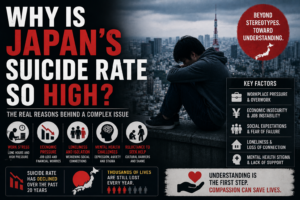
Mental health awareness in Japan has improved, but stigma still exists.
Many people avoid openly discussing:
- Depression
- Anxiety
- Burnout
- Loneliness
- Family problems
- Workplace stress
Foreigners may struggle to find English-speaking therapists or culturally sensitive mental health support.
This can make emotional problems feel even heavier, especially for people living far from family and friends.
Bureaucracy Can Be Frustrating
Japan is efficient in many ways, but bureaucracy can feel old-fashioned.
Foreign residents often deal with:
- Paper forms
- In-person procedures
- Stamps and signatures
- Complicated visa rules
- Slow digital systems
- Strict documentation requirements
Simple tasks can take much longer than expected.
For newcomers, city hall, immigration offices, banks, and phone companies can become major sources of stress.
Japan Is Not Always as Convenient as It Looks
Japan is incredibly convenient in some ways.
But daily life also has hidden inconveniences.
For example:
- Many services require Japanese language ability.
- Some websites are outdated.
- Cash is still needed in certain places.
- Apartments may have strict garbage rules.
- Public transportation can stop early at night.
- Rural areas may have limited access to services.
Tourists usually see the smoothest parts of Japan.
Residents experience the complicated systems behind them.
Final Thoughts
Japan is a wonderful country, but it is not a fantasy world.
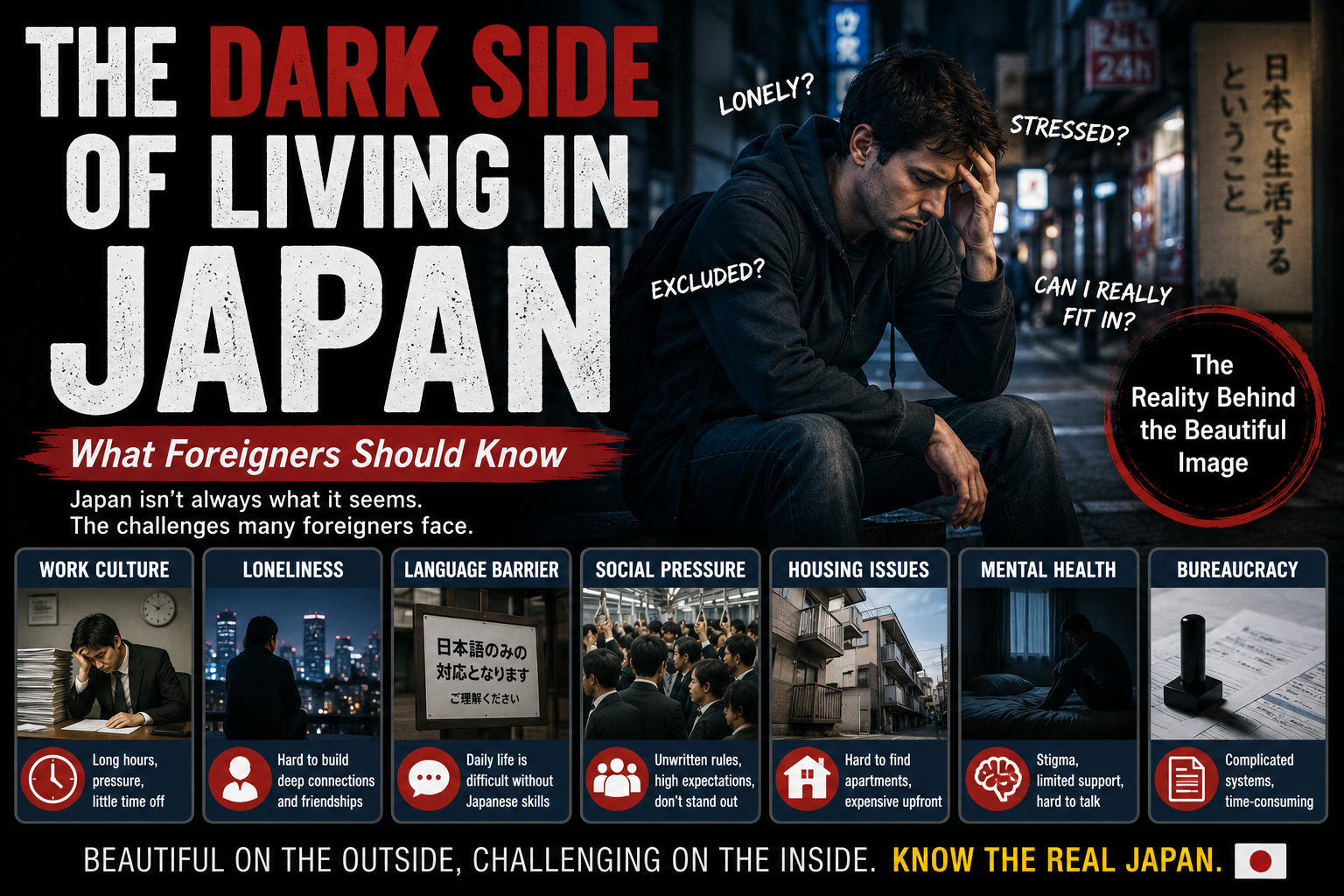
The dark side of living in Japan includes:
- Loneliness
- Language barriers
- Work pressure
- Social expectations
- Housing difficulties
- Cultural isolation
- Bureaucracy
- Mental health challenges
For many foreigners, Japan can still be an amazing place to live.
But long-term happiness depends on realistic expectations, Japanese language ability, emotional resilience, and a willingness to adapt.
Understanding both the beauty and the difficulties of Japan is the key to building a more balanced and successful life there.
FAQ
Is living in Japan difficult for foreigners?
Yes, it can be difficult, especially because of language barriers, social pressure, work culture, and cultural differences.
Why do foreigners feel lonely in Japan?
Many foreigners struggle to build deep relationships due to language differences, indirect communication, and feeling like outsiders.
Is Japanese work culture really stressful?
In many companies, yes. Long hours, hierarchy, and pressure to conform can make work life stressful.
Can foreigners be fully accepted in Japan?
Some foreigners build meaningful lives in Japan, but many still feel they are treated as outsiders even after many years.
Is Japan still a good place to live?
Yes, for many people. Japan offers safety, convenience, culture, and high quality of life, but it also requires realistic expectations.