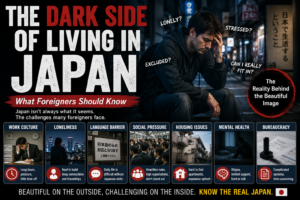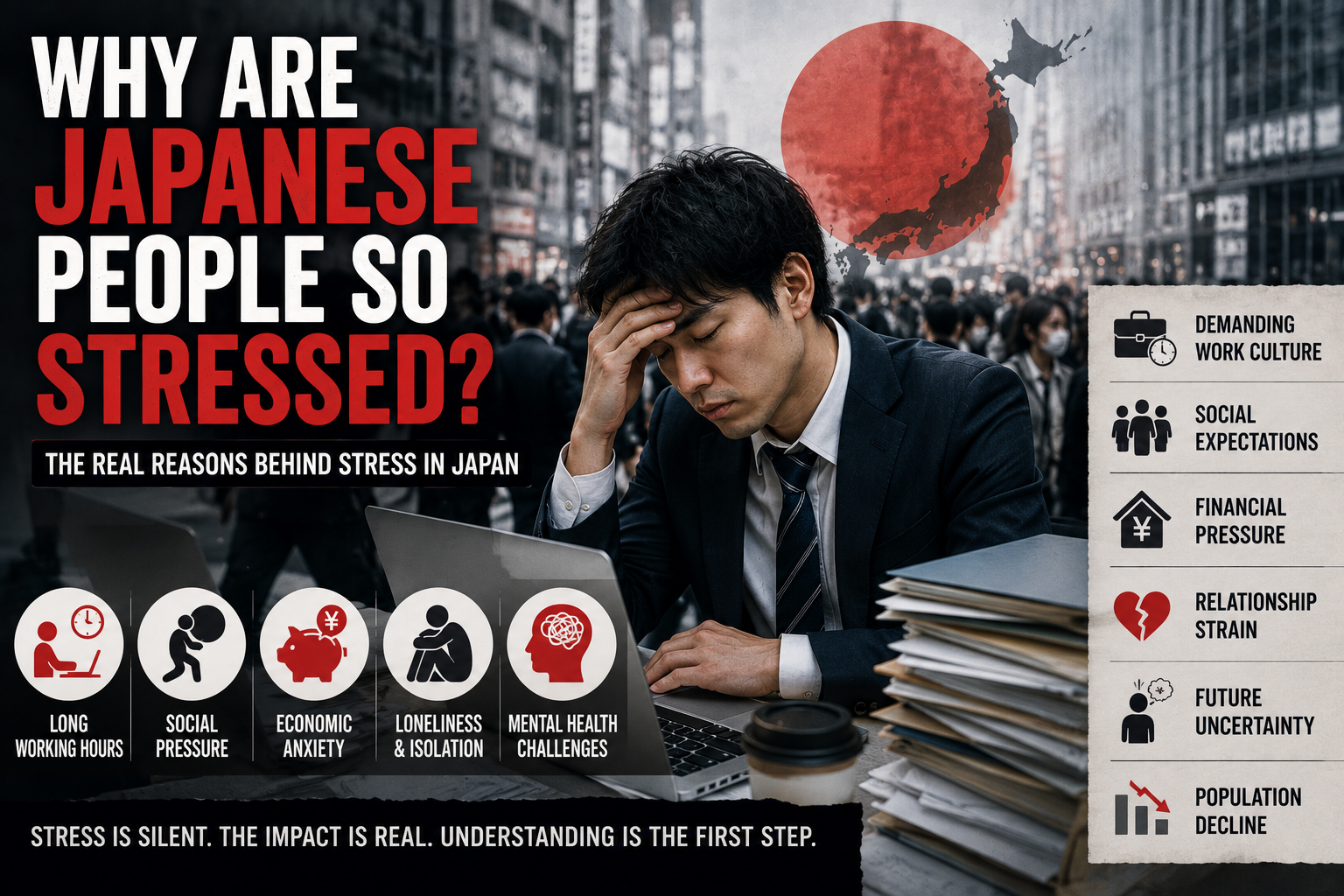
Why are Japanese people so stressed? This is one of the most common questions foreigners ask when they learn about Japan’s long working hours, social pressures, and mental health challenges.
Japan is often viewed as a safe, organized, and prosperous country. However, beneath this image, many Japanese people experience significant stress related to work, finances, relationships, and social expectations.
The reasons why Japanese people are so stressed are complex. Work culture, economic insecurity, social pressure, and changing lifestyles all contribute to modern stress in Japan.
In this article, we’ll explore why Japanese people are so stressed and what these challenges reveal about contemporary Japanese society.
Is Stress Really a Big Problem in Japan?
Yes. Stress has become a major social issue in Japan.
Although Japan consistently ranks highly in areas such as safety, healthcare, and life expectancy, many Japanese people report high levels of daily stress and anxiety.
Common sources of stress include:
- Work pressure
- Financial concerns
- Social expectations
- Family responsibilities
- Loneliness
- Job insecurity
- Uncertainty about the future
For many people, stress is not caused by a single problem but by the accumulation of multiple pressures.
Japan’s Work Culture Creates Enormous Stress
One of the biggest reasons Japanese people experience stress is work.
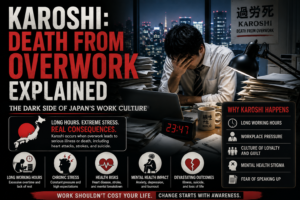
Long Working Hours
Japan has long been known for its demanding work culture.
Many workers experience:
- Long office hours
- Unpaid overtime
- Long commutes
- Pressure to socialize after work
- Difficulty taking vacations
Although work-life balance has improved in recent years, many employees still feel strong pressure to prioritize their jobs above their personal lives.
Fear of Making Mistakes
Japanese workplaces often place a high value on precision, responsibility, and avoiding errors.
As a result, employees may feel:
- Constant pressure to perform
- Anxiety about failure
- Fear of disappointing coworkers
- Stress from maintaining perfection
This can create significant mental and emotional exhaustion.
Social Pressure Plays a Major Role
Japanese society places a strong emphasis on harmony and social expectations.
Pressure to Fit In
From childhood, many Japanese people learn the importance of:
- Avoiding conflict
- Following social rules
- Respecting group harmony
- Meeting others’ expectations
While these values help maintain social order, they can also create psychological pressure.
Many people worry about:
- Embarrassing themselves
- Causing trouble for others
- Being judged by society
- Failing to meet expectations
The Fear of Being Different
Standing out is often more difficult in Japan than in many Western countries.
As a result, some people suppress their true feelings, opinions, or personal goals in order to avoid social criticism.
Over time, this can contribute to chronic stress.
Economic Anxiety Is Growing
Japan remains one of the world’s largest economies, but many people still feel financially insecure.
Wages Have Stagnated
For decades, wage growth has been relatively slow compared to rising living costs.
Many younger adults worry about:
- Housing affordability
- Retirement savings
- Job security
- Marriage expenses
- Raising children
Economic uncertainty creates stress even among people with stable employment.
The Future Feels Uncertain
Japan’s aging population and declining birth rate have increased concerns about:
- Pension systems
- Healthcare costs
- Tax burdens
- Economic growth
- Career opportunities
Many young people feel uncertain about what their future will look like.
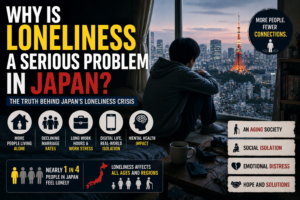
Loneliness Is Becoming More Common
Despite living in crowded cities, many Japanese people experience loneliness.
Smaller Families and Social Isolation
Several social changes have contributed to increased isolation:
- Lower marriage rates
- More single-person households
- Population aging
- Remote work
- Declining local communities
Some people have few close relationships outside work.
Social Withdrawal
Japan is also known for social withdrawal phenomena, where some individuals isolate themselves from society for long periods.
While this affects only a small percentage of the population, it reflects broader concerns about loneliness and mental health.
Education and Competition Create Pressure
Stress often begins early in life.
Academic Competition
Japanese students frequently experience pressure related to:
- Entrance examinations
- School performance
- University admissions
- Career preparation
Competition for educational opportunities can create significant stress from a young age.
Career Expectations
After graduation, many young adults feel pressure to find stable employment quickly and build successful careers.
This pressure can continue throughout adulthood.
Why Are Young Japanese People Especially Stressed?
Younger generations face challenges that differ from those experienced by their parents.
These include:
- Economic uncertainty
- High housing costs
- Declining marriage opportunities
- Career insecurity
- Social media pressure
- Concerns about the future
Many young adults feel they have fewer opportunities and less economic security than previous generations.
Is Japan More Stressful Than Other Countries?
Every country has its own sources of stress.
However, Japan combines several factors that can increase psychological pressure:
- Strong social expectations
- Demanding work culture
- Economic uncertainty
- Rapid population aging
- Changing family structures
This combination creates unique challenges for many Japanese people.
At the same time, Japan also offers advantages that reduce stress for some people, including:
- Low crime rates
- Reliable public transportation
- Universal healthcare
- Strong social order
- High quality public services
Is Japan Doing Anything to Reduce Stress?
In recent years, Japan has introduced policies designed to improve mental health and work-life balance.
These include:
- Limits on overtime work
- Mental health support programs
- Workplace reform initiatives
- Expanded remote work options
- Efforts to improve childcare support
However, many experts believe that deeper cultural and economic changes are still needed.
Conclusion
So, why are Japanese people so stressed?
The answer is not simply that Japanese people work too much. Stress in Japan results from a combination of demanding work culture, social pressure, economic uncertainty, loneliness, and concerns about the future.
Despite these challenges, Japan remains a highly functional and successful society. The question facing modern Japan is how to preserve its strengths while reducing the pressures that many people experience in everyday life.
Frequently Asked Questions
Why is work so stressful in Japan?
Long working hours, workplace expectations, and fear of making mistakes contribute to workplace stress.
Are Japanese people more stressed than people in other countries?
Stress exists everywhere, but Japan’s combination of work culture, social pressure, and economic concerns creates unique challenges.
Why do young Japanese people feel stressed?
Many young adults face economic uncertainty, career pressure, rising costs, and concerns about marriage and family life.
Does Japan have a mental health problem?
Mental health awareness has increased in Japan, although social stigma surrounding mental illness still exists.
Is life in Japan becoming more stressful?
Many experts believe that economic uncertainty, population decline, and social changes have increased stress for some groups.